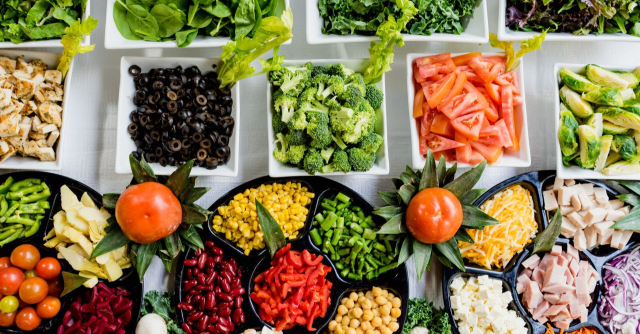
Inflammation is a natural immune response, but chronic low-grade inflammation is linked to pain, fatigue, heart disease, diabetes, and other long-term conditions. One of the simplest, most enjoyable ways to lower inflammation is to “eat the rainbow”—filling your plate with various colorful fruits, vegetables, whole grains, legumes, nuts, seeds, and healthy fats. Different colors signal different protective compounds that together help calm inflammation and support overall health.
Why Color Matters
- Red and orange (tomatoes, red peppers, carrots, sweet potatoes): rich in carotenoids (like beta-carotene and lycopene) and vitamin C, which reduce oxidative stress and inflammation.
- Yellow (peppers, summer squash, pineapple): contains flavonoids and vitamin C, which support immune responses.
- Green (leafy greens, broccoli, Brussels sprouts, avocado): high in vitamin K, folate, and phytochemicals that modulate inflammatory pathways.
- Blue and purple (berries, eggplant, purple cabbage): packed with anthocyanins and polyphenols that protect cells and reduce inflammatory signaling.
- White and brown (garlic, onions, mushrooms, cauliflower): include allicin and other sulfur compounds with anti-inflammatory and immune-supporting effects.
Key Anti-Inflammatory Nutrients and Foods
- Polyphenols and flavonoids: found in berries, tea, dark chocolate, and olives.
- Carotenoids: in carrots, sweet potatoes, kale, and tomatoes.
- Anthocyanins: in blueberries, blackberries, cherries, and black rice.
- Omega-3 fatty acids: fatty fish (salmon, sardines), chia seeds, flaxseed, walnuts—powerful for reducing inflammatory cytokines.
- Fiber: whole grains, legumes, fruits, and vegetables feed beneficial gut bacteria, which can reduce systemic inflammation.
- Spices: turmeric (curcumin), ginger, cinnamon, and green tea have proven anti-inflammatory properties.
Practical Tips to “Paint Your Plate”
- Aim for color variety every meal. If breakfast is purple (berries), make lunch green (salads, spinach), and dinner red/orange (roasted peppers and sweet potatoes).
- Make half your plate vegetables and fruits. Use a mix of raw, steamed, roasted, and sautéed for texture and nutrient variety.
- Include an anti-inflammatory protein: fatty fish, beans, or tofu.
- Add healthy fats—olive oil, avocado, nuts, and seeds—to help absorb fat-soluble nutrients and provide omega-3s.
- Swap refined carbs for whole grains: quinoa, brown rice, oats, and farro.
- Use herbs and spices liberally: turmeric + black pepper increases curcumin absorption; ginger adds zing and anti-inflammatory benefits.
- Limit pro-inflammatory foods: processed meats, refined sugars, excessive alcohol, and trans fats.
Sample One-day Anti-inflammatory Menu
- Breakfast: Berry oatmeal—rolled oats cooked with almond milk, topped with blueberries, sliced banana, walnuts, and a sprinkle of cinnamon.
- Lunch: Rainbow grain bowl—quinoa, roasted sweet potato, chickpeas, steamed broccoli, shredded red cabbage, avocado, and a lemon-tahini dressing with turmeric.
- Snack: Apple slices with almond butter or a small bowl of mixed berries.
- Dinner: Baked salmon with a mango-papaya salsa, sautéed spinach with garlic, and a side of roasted carrots and beets.
- Dessert/tea: Green tea or turmeric-laced golden milk.
Easy Swaps to Start Today
- Replace sugary cereal with fruit and Greek yogurt.
- Trade chips for veggie sticks + hummus.
- Use herbs/spices instead of heavy sauces.
- Choose whole fruit over fruit juice.
- Grill, steam, or roast vegetables rather than frying.
- Shopping list (essentials) Leafy greens: spinach, kale, arugula
- Colorful vegetables: bell peppers, carrots, beets, broccoli, sweet potatoes, red cabbage
- Berries and citrus: blueberries, strawberries, oranges
- Proteins: salmon, sardines, chicken, chickpeas, lentils
- Healthy fats: extra-virgin olive oil, avocado, walnuts, flaxseed
- Whole grains: quinoa, brown rice, oats
- Spices: turmeric, ginger, cinnamon, black pepper
Small changes, big payoff. Eating the rainbow is not a strict diet—it’s a flexible, sustainable approach that naturally increases your intake of antioxidants, fiber, and healthy fats while cutting down inflammatory triggers. Over weeks and months, these changes can reduce markers of inflammation, improve energy, and support long-term health.
A note: if you have a chronic health condition or food sensitivities, check with your healthcare provider or registered dietitian before making major dietary changes.
Start with one colorful swap today—add a handful of berries to your breakfast or a side salad to dinner—and build from there. Paint your meals healthy, and your body will thank you.
“I AM eating healthy foods.”